Rethinking Privacy in Personal Learning Networks #Blog 9
Personal Learning Networks (PLNs) have become an essential part of how I learn today. Through platforms like YouTube, blogs, and LinkedIn, I can explore ideas beyond the classroom and connect with different perspectives. While these tools make learning more flexible and engaging, they also raise important concerns about privacy—especially in Canada, where laws like PIPEDA are meant to protect personal information.
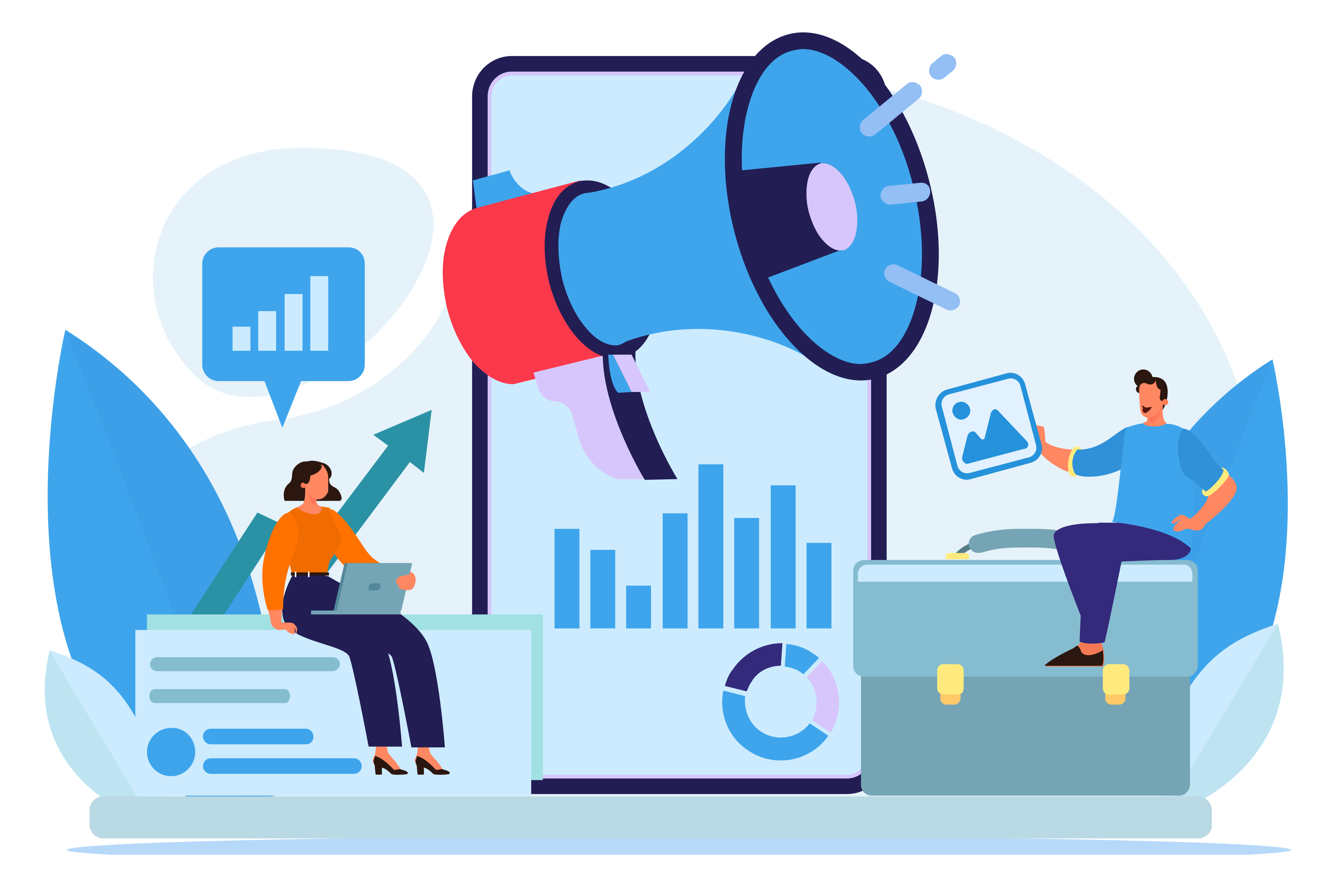
Image source: Illustration by Sayyam Abbasi on Unsplash
This image reflects how data collection often happens invisibly while we interact with online platforms. According to PIPEDA, organizations should only collect personal data for clear purposes and with user consent. However, in reality, many platforms gather information through tracking systems and algorithms that users may not fully understand. This creates a gap between privacy policies and actual user experience.
PLNs offer clear benefits, such as access to diverse knowledge and opportunities for collaboration. I personally rely on platforms like YouTube to understand difficult concepts, especially in subjects like economics. These tools help me learn at my own pace and in ways that feel more engaging than traditional methods.
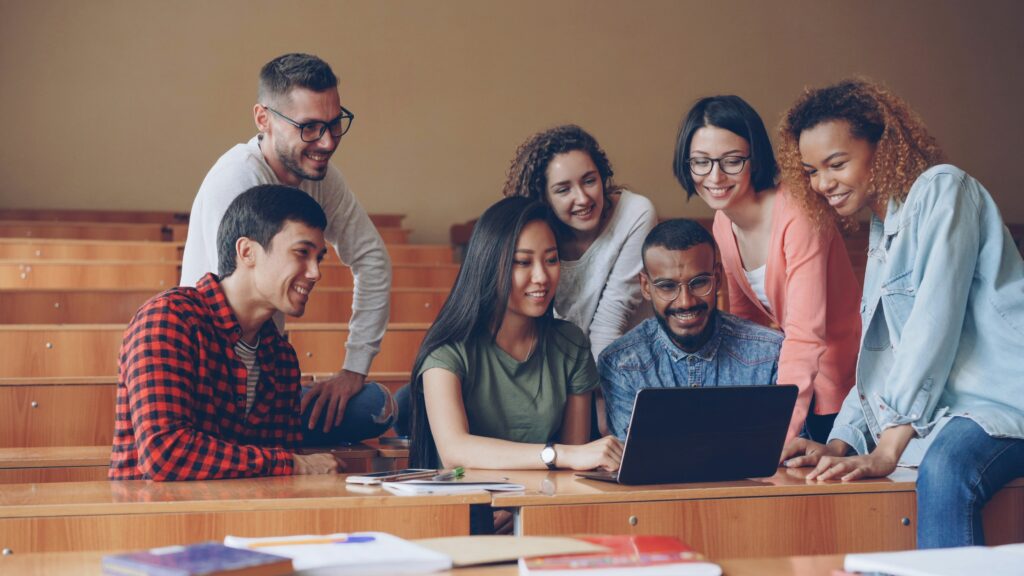
Image source: Photo by Vitaly Gariev on Unsplash
At the same time, this convenience comes with trade-offs. For example, when I watch educational videos on YouTube, I rarely think about how my viewing behavior is tracked and used to recommend content. I tend to focus on how helpful the platform is, rather than questioning how my data is being collected or shared. This made me realize that my participation in PLNs is not as neutral as I once thought.
From an educational perspective, this raises important questions. Are we using digital tools that collect student data without a clear educational purpose? Are these platforms aligned with Canadian privacy standards? And most importantly, do students actually have meaningful control over their personal information?
The DAIS report highlights how generative AI and digital platforms rely heavily on large-scale data collection, which can expose users—especially youth—to risks such as surveillance and profiling. In educational settings, this is particularly concerning because students may feel required to use these tools, leaving them with limited choice.
Ultimately, while PLNs offer valuable learning opportunities, they also require a more critical and informed approach. As both learners and future professionals, we need to be more aware of how our data is used and advocate for greater transparency and protection.
This makes me wonder: can we truly benefit from PLNs without giving up too much of our personal data?
Reference
Digital Analytics Institute of Canada. (2023). Generation AI: Safeguarding youth privacy in the age of generative artificial intelligence. https://dais.ca/reports/generation-ai-safeguarding-youth-privacy-in-the-age-of-generative-artificial-intelligence/
Office of the Privacy Commissioner of Canada. (n.d.). PIPEDA in brief. https://www.priv.gc.ca/en/